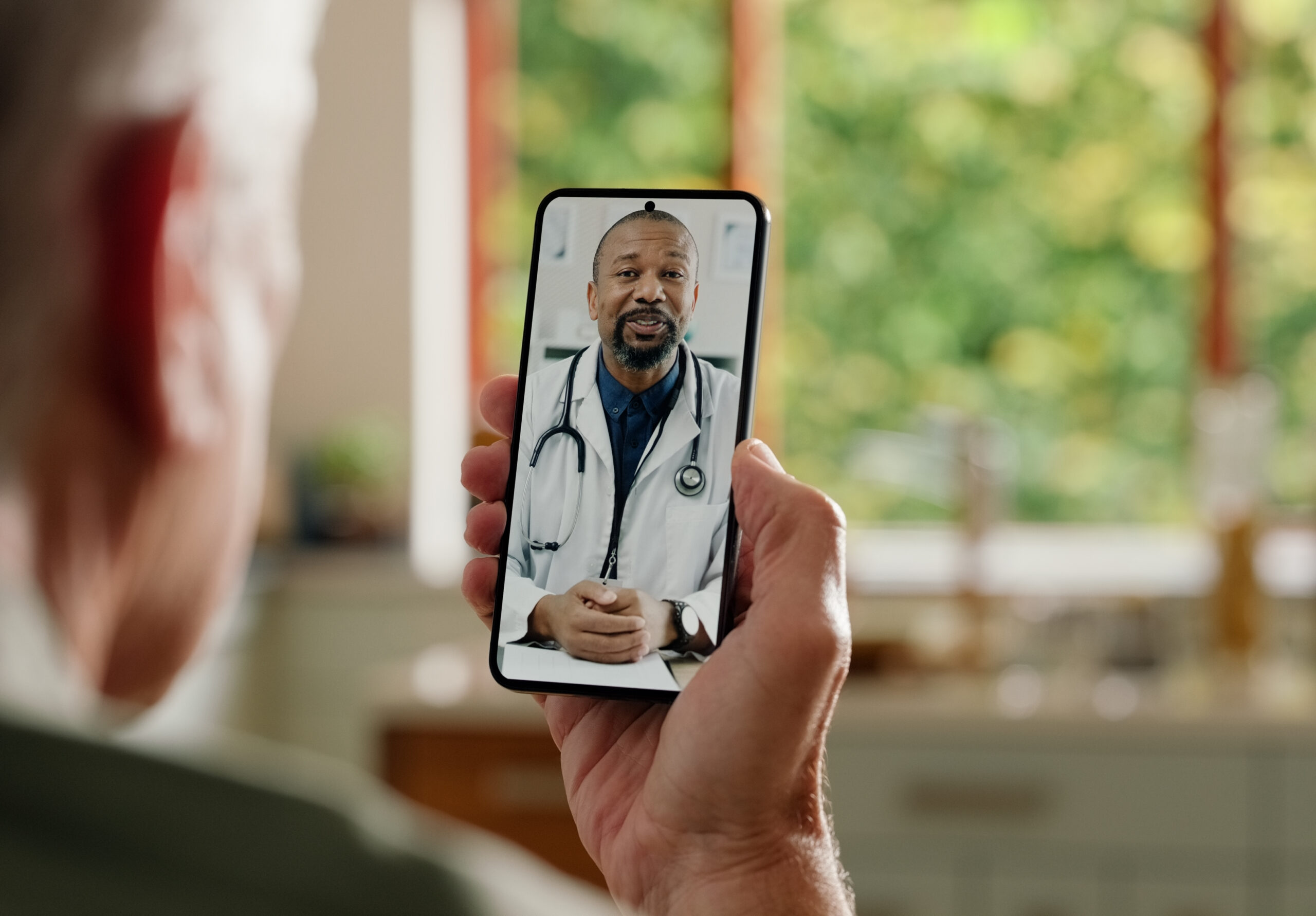
An employee is referred to a specialist. They assume the provider is in network, is a good fit, and will be affordable. No one tells them that a higher-quality, lower-cost option is ten minutes away. So they book the appointment.
That choice is understandable. It is also a good example of how value slips out of a benefits strategy.
The same thing happens when an employee receives a bill that does not match the estimate, misses a follow-up appointment, or never learns about a program their employer already pays for. These may look like separate problems, but they share a root cause: employees are being asked to navigate a complicated system on their own.
Even a well-designed health plan cannot deliver its full value if employees do not know how to use it.
Care navigation closes that gap. For self-funded employers, it is essential for engaging employees in their benefits programs and guiding better health decisions.
What is care navigation?
Care navigation gives employees one place to turn when they need care or help using their benefits.
That support can be as simple as answering a coverage question or as involved as helping someone move through a complex course of treatment.
A care navigator can help an employee:
- Understand their symptoms and decide where to seek care
- Find an available, high-quality, in-network provider
- Compare costs before booking an appointment
- Schedule a visit
- Understand what their plan covers
- Resolve a billing or claims issue
- Coordinate follow-up care and next steps
- Connect with other programs available through the health plan
Navigation brings clinical guidance, benefits expertise, provider information, and cost transparency together in one place. The most effective models also use data to spot gaps in care and reach employees before a health issue becomes harder and more expensive to manage.
The goal is straightforward: make healthcare easier to use and help employees access high-quality, affordable care.
What problems does care navigation solve?
It makes the employee experience easier
Healthcare is hard to navigate even when you’re healthy. When you’re sick or caring for someone you love, it can feel overwhelming.
Employees may have to determine whether a provider is in network, where to seek care, what it will cost, whether they need a referral, and who to call when something goes wrong. Every extra step creates another opportunity for confusion or delay.
Care navigation gives them a clear place to start and someone to guide them forward. Instead of expecting employees to understand a complex healthcare system or every detail of their health plan, it connects them with the support they need to make informed decisions.
A 2024 review of patient navigation in cancer care, published in Current Oncology Reports, found that 87% of studies measuring patient satisfaction reported meaningful benefits.
It helps employees receive care and stay on track
Access to care is not the same as receiving it. A referral does not guarantee that someone will find a provider, get an appointment, begin treatment, and complete the next steps.
People fall out of the process for many reasons. The specialist has no openings. The cost is unclear. A referral expires. A follow-up gets lost between providers. Sometimes an employee simply does not know what to do next.
Navigation removes barriers and keeps care moving. Research published in CA: A Cancer Journal for Clinicians found patients that used navigation had more than twice the odds of diagnostic resolution within two months.
It helps employers get more value from their healthcare spend
The same complexity that frustrates employees also drives unnecessary cost.
An employee may choose a more expensive care setting because they do not know another option exists. They may see a higher-cost provider without realizing a high-quality alternative is nearby. Or they may miss an opportunity to use a program their employer is already paying for.
These are not failures of judgment. They are what happens when people make decisions with incomplete information.
A JAMA analysis estimated that waste accounts for roughly 25% of U.S. healthcare spending. Not all healthcare waste can be addressed through navigation, but some unnecessary spending begins with the everyday decisions employees are asked to make without enough information.
Care navigation can help at those decision points. It can guide employees toward an appropriate care setting, help them identify high-value providers, understand costs upfront, and connect them with resources already included in their plan.
For self-funded employers, that creates an opportunity to reduce avoidable spending without shifting more of the cost to employees.
Why care navigation matters for self-funded employers
The need to get more value from healthcare spending has never been greater.
ParetoHealth’s 2026 State of Healthcare Spend research found that 79% of small and midsize employers experienced double-digit increases in total healthcare spend over the past year. One in five saw increases of 30% or more.
Self-funding provides greater visibility into what’s driving healthcare costs. With insight from claims data, employers can identify areas of high spend and put targeted solutions in place to address them.
That gives employers more opportunities to actively manage their healthcare investment.
But putting the right solutions in place is only part of the equation.
An employer can invest in high-quality provider networks, condition-specific programs, cost-containment solutions, and other resources. But if an employee does not know those resources exist or cannot figure out how to access them, the potential value of those investments goes unrealized.
Care navigation connects the strategy an employer has built with the people it is meant to serve. Rather than operating as another standalone benefit, it can help employees find and use the resources already available to them.
Bringing enterprise-level care navigation to small and midsize employers
Large employers have historically had more resources to build sophisticated benefits programs. Smaller employers have the same needs, but less scale to assemble those capabilities on their own.
The ParetoHealth community changes that equation. By bringing thousands of employers together, ParetoHealth can make enterprise-level solutions available to small and midsize businesses.
That includes Rightway Healthcare, an enterprise-level care navigation solution. Through ParetoHealth’s collaboration with Rightway, Pareto Members can give employees 24/7 access to U.S.-based care navigators and clinicians.
Rightway integrates the full suite of Pareto programs and guides employees to available solutions, driving engagement across the ecosystem and lowering costs. Through a combination of expert health guides and clinical specialists, employees receive end-to-end support from understanding benefits to finding care, scheduling appointments, and resolving billing issues.
The ParetoHealth and Rightway collaboration provides:
- Always-on guidance: 24/7 access to U.S.-based care navigators and clinicians
- Better care decisions: 100% of qualifying interactions trigger an employer-sponsored point solution recommendation
- Reduced costs: More than $3 million saved annually in employee out-of-pocket costs
- Seamless integration: Pre-built integrations with select TPAs and PBMs to simplify implementation
For employees, Rightway makes a difficult system easier to use. For self-funded employers, it helps turn a well-designed benefits strategy into one employees can actually use to deliver more value.
Learn more